
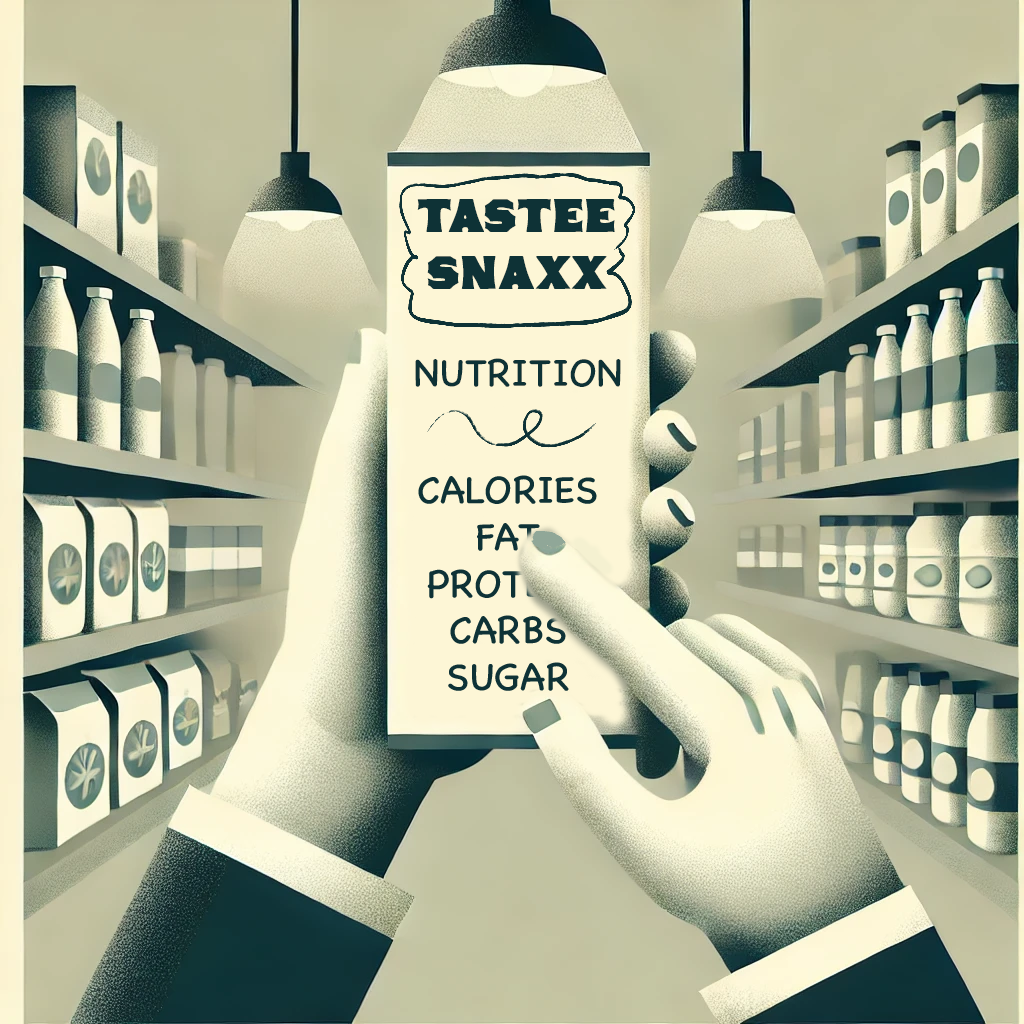
How to Read Food Labels for Healthier Eating
- Health
- December 31, 2024
Understanding food labels can be a game-changer when it comes to making healthier choices. Whether you’re trying to lose weight, eat cleaner, or manage dietary restrictions, here’s how to decode the labels to make informed decisions.
1. Start with the Serving Size
The serving size at the top of the label sets the context for all the nutritional information listed. If you consume more than the serving size, you’ll need to multiply the values accordingly. For example, if the serving size is one cup and you eat two cups, you’re doubling all the numbers.
2. Check the Calories
Calories measure how much energy you’re consuming. For weight loss, track this number to stay within your daily calorie goal. Remember, nutrient-dense foods with fewer calories per serving are ideal.
3. Look at the Nutrients to Limit
Pay attention to:
- Saturated Fat and Trans Fat: High amounts can contribute to heart disease.
- Sodium: Aim for less than 2,300 mg per day to support heart health.
- Added Sugars: These can sneak into foods like yogurt or sauces. Choose options with minimal added sugars.
4. Prioritize Nutrients to Get More Of
Seek foods that are high in:
- Dietary Fiber: Supports digestion and helps you feel fuller longer.
- Protein: Crucial for muscle building and repair.
- Vitamins and Minerals: Look for Vitamin D, calcium, iron, and potassium.
5. Read the Ingredients List
Ingredients are listed by weight, from most to least. Watch out for:
- Hidden sugars (e.g., dextrose, fructose, cane syrup).
- Artificial additives or preservatives.
- Long lists of unrecognizable ingredients—whole foods usually have shorter, simpler lists.
By learning to read food labels, you empower yourself to make choices aligned with your health goals. It may seem overwhelming at first, but with practice, you’ll become a savvy label-reader in no time !